Latest Products


Contact Us
- Floor 3, Building B, Beicang Building, Haiguan Road, Zhangjiagang City, Jiangsu, China.
- sales05@maxxtools.com.cn
- sales01@maxxtools.com.cn
- sales03@maxxtools.com.cn
- sales04@maxxtools.com.cn
- +86-512-58689066
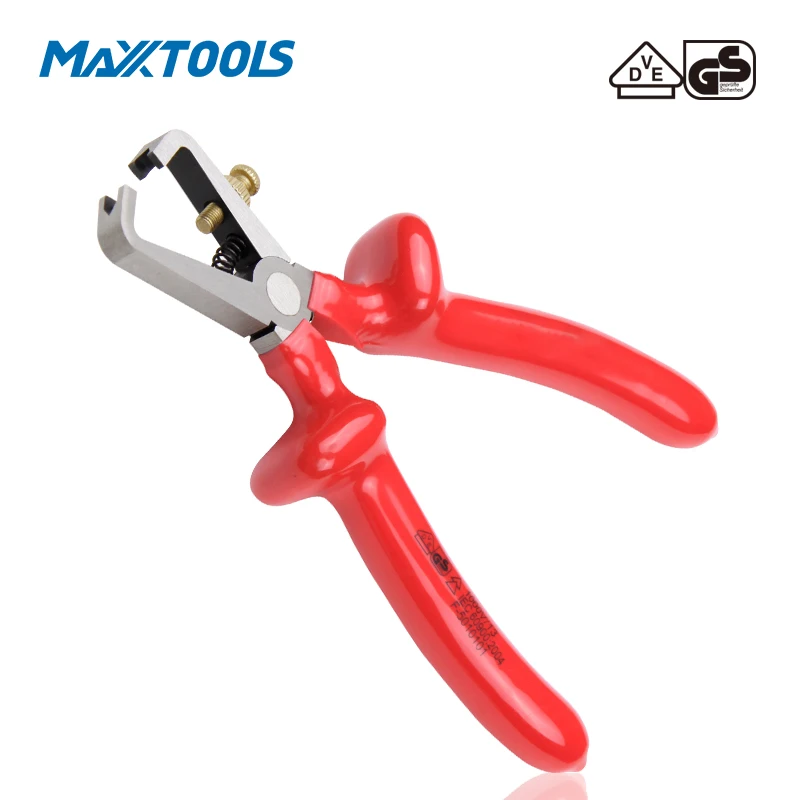
VDE Wire Stripper
A VDE wire stripper is a small hand-held tool that is used to remove the insulation from electric wires. These portable hand-held tools are extremely popular among electricians and even DIYers for removing the insulation to replace or repair the wire.
Description
Rich Experience
In over 15 years history of supplying high quality product for our client, Maxxtools has gradually become the most reliable supplier of many famous tools importers.
Excellent Product Quality
Concentrates on hand tools and labor supplies. It provides over 1000 different kinds of products to worldwide.
Excellent Customer Service
Send the inquiry to our website, and the e-commerce operator will assign it to the corresponding sales according to the content of the inquiry. Sales contact with customers via email, understand their specific needs.
A VDE wire stripper is a small hand-held tool that is used to remove the insulation from electric wires. These portable hand-held tools are extremely popular among electricians and even DIYers for removing the insulation to replace or repair the wire.
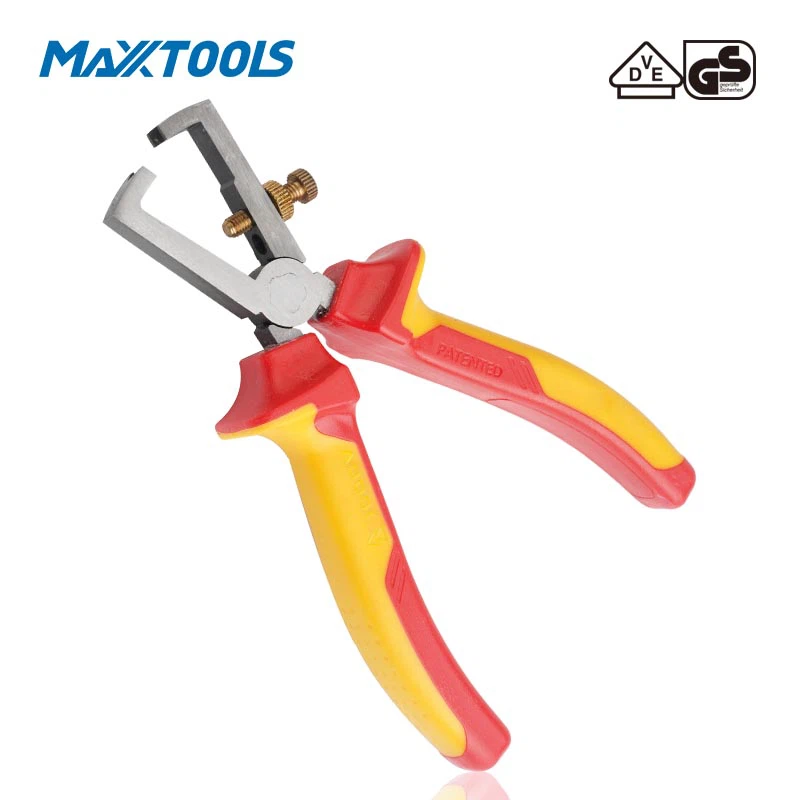
Wire strippers are one of the commonly used tools for internal line electricians, motor repairers, and instrumentation electricians, which are used to strip the surface insulation layer of the wire head from the power supply worker. Wire strippers can separate the insulating skin of the wire from the wire and prevent electric shock.
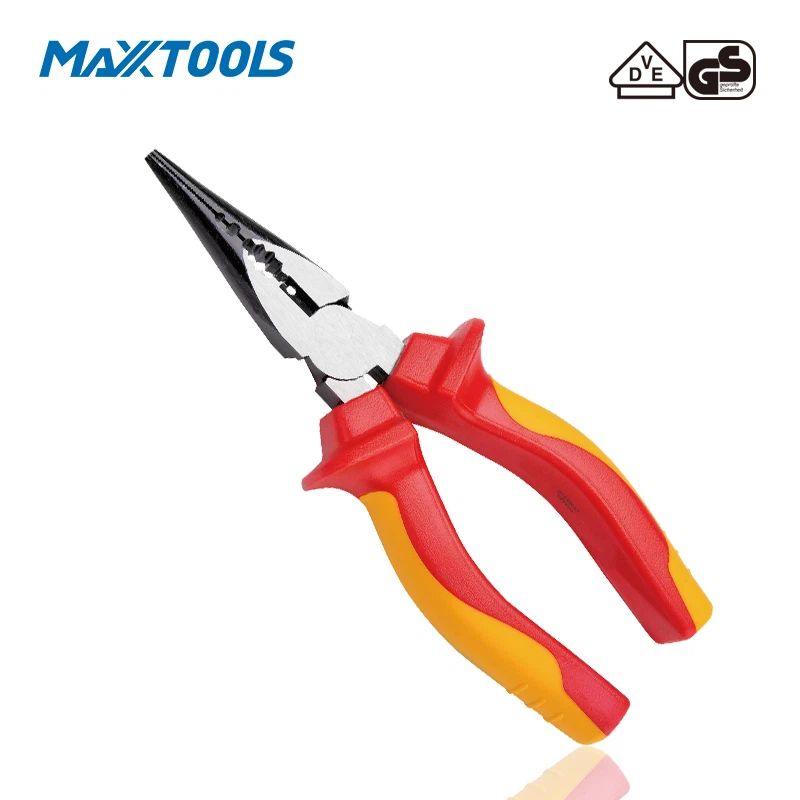
VDE High Leverage Long Nose Pliers
Long nose pliers are very versatile. In the field of mechanical repair and manufacturing, long nose pliers can be used to install and remove mechanical parts such as screws, nuts, washers, and more. In electronics repair and manufacturing. Long nose pliers are used to install and remove electronic components such as resistors, capacitors, transistors, and more.
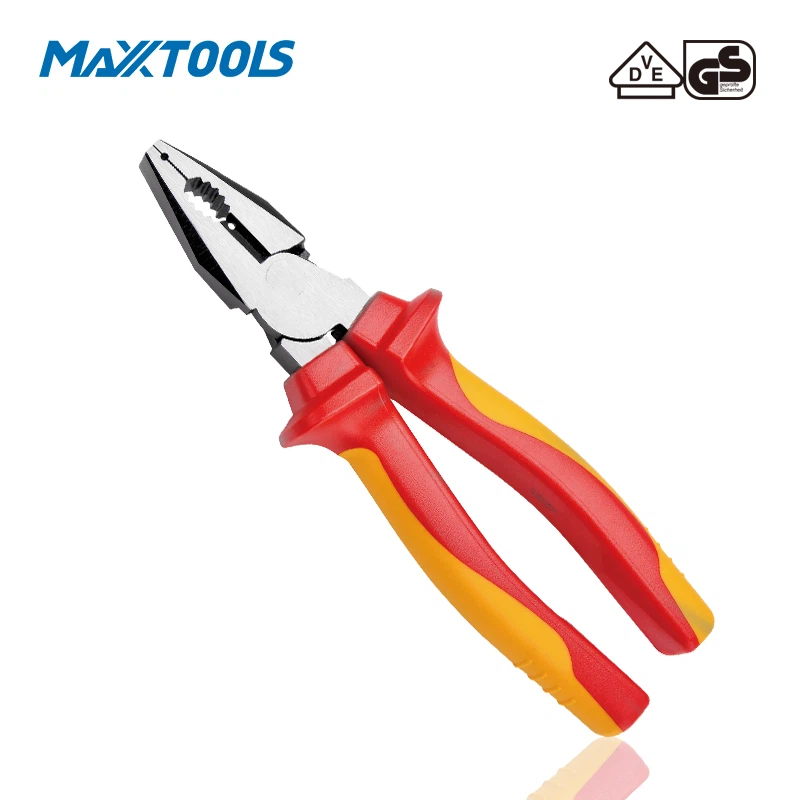
VDE High Leverage Combination Pliers
Combination pliers have a large clamping force and can firmly clamp various materials, such as steel wires, wires, pipes, etc. The cutting edge of the wire cutter adopts a special cutting edge design, which can easily cut wires and wires of various hardnesses. The cutting edges of wire cutters are usually made of high-hardness tool steel.
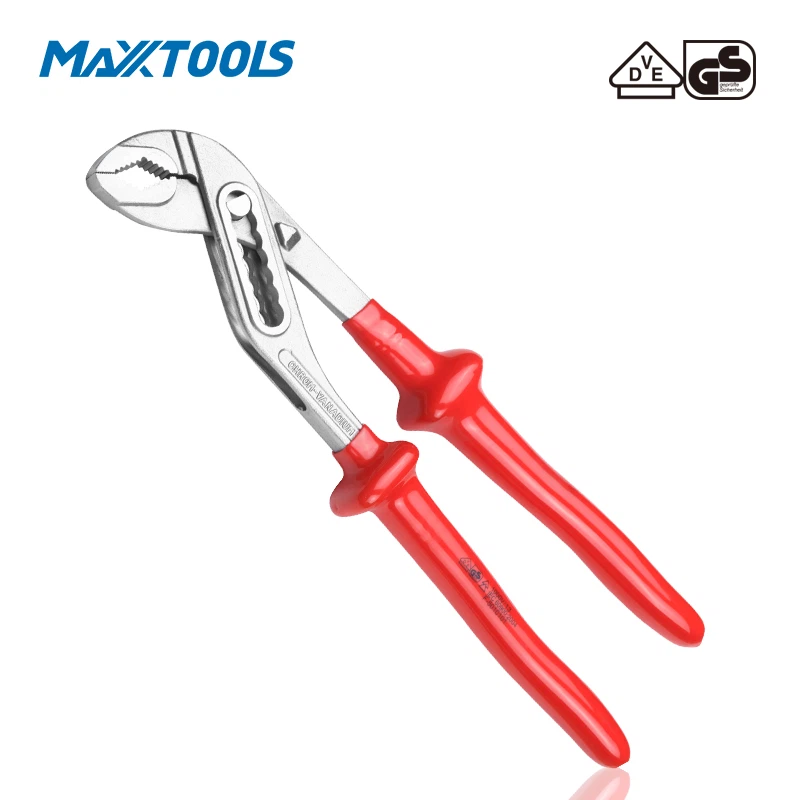
VDE Waterpump Pliers With Dipping Handle
Its use is to first open the biting part of the pliers, slide the pliers' shaft to adjust it to match the size of the material, and then use it to tighten or loosen pipe fittings and pipe hoops.
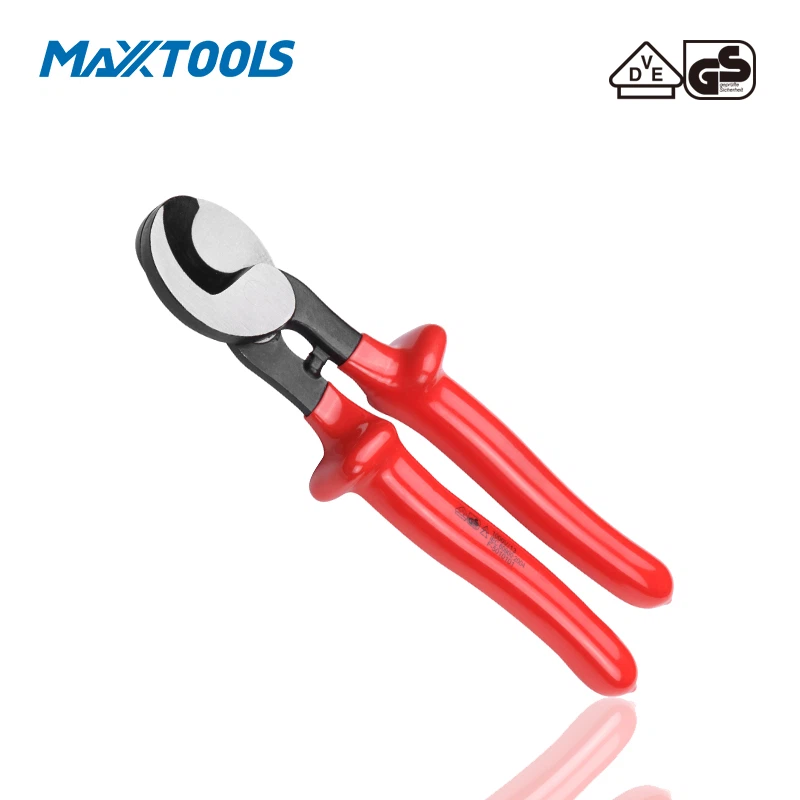
VDE Cable Shears With Dipping Handle
Cable shears are type of clippers specifically designed to cut electrical cables. The two blades interlock and can be opened and closed. Cable shears are large scissors and are designed using the "leverage principle" and "the inverse ratio of pressure to area". This product is a traditional manual cable shear. It is suitable for high voltage PE, Category IV cables, telephone wires and can be cut quickly.
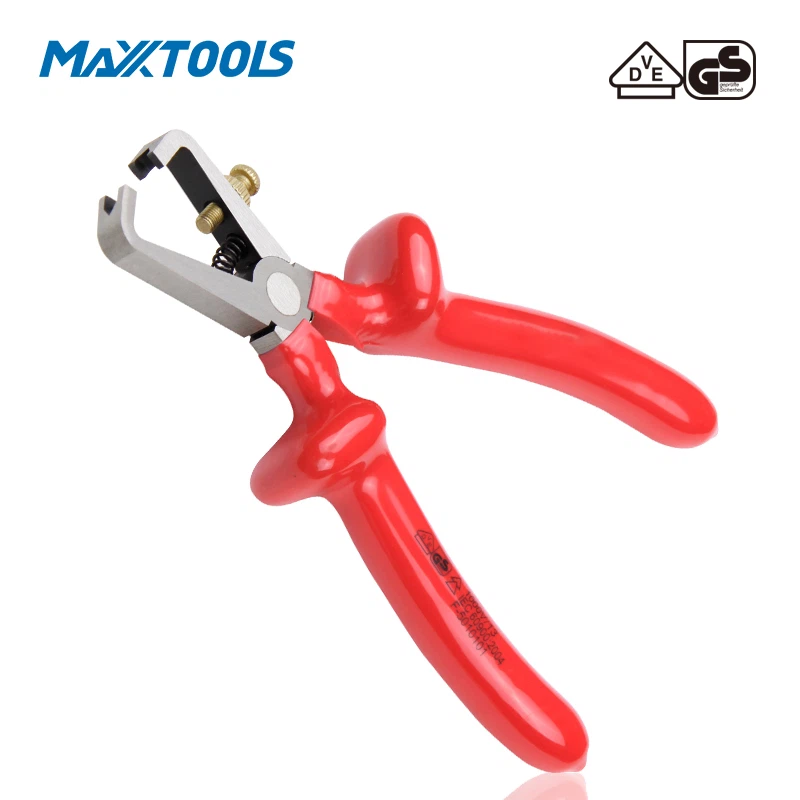
VDE Wire Stripper With Dipping Handle
One of the instruments that instrumentation electricians, internal line electricians, and motor repairers frequently use to remove the wire head's surface insulation layer from the power source is a wire stripper. Electric shock can be avoided by using wire strippers to detach the wire's insulating skin from the wire itself.
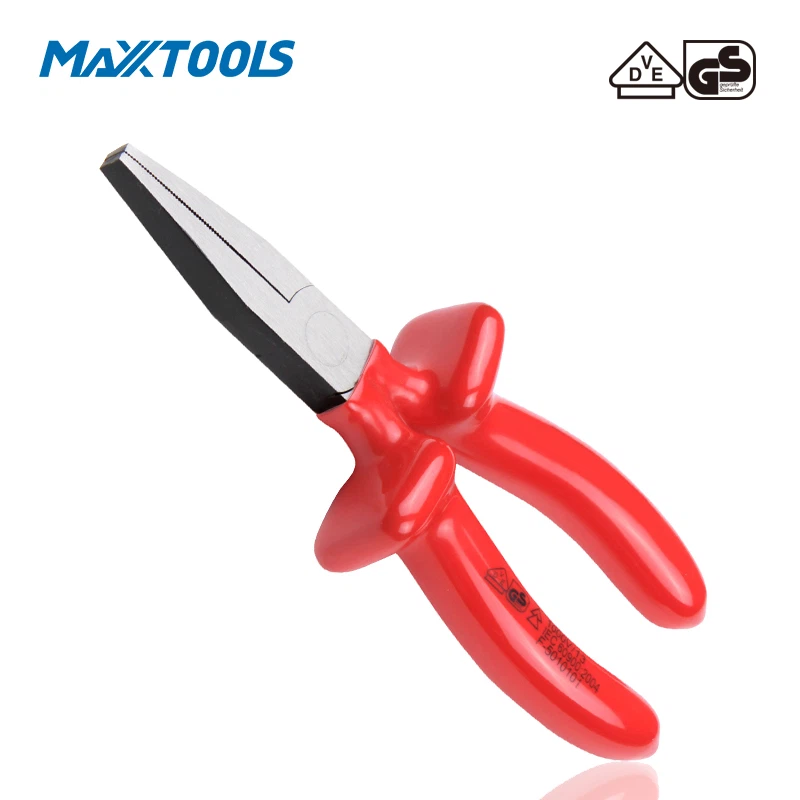
VDE Flat Nose Pliers With Dipping Handle
Flat-nosed pliers are a commonly used hardware tool. It has a flat mouth with non-slip functional teeth on the inside of the jaws and no cutting edge. It is mainly used for bending thin metal sheets and wires to the desired shape. In repair work, flat-nosed pliers can also be used to install and pull pins, springs and so on.
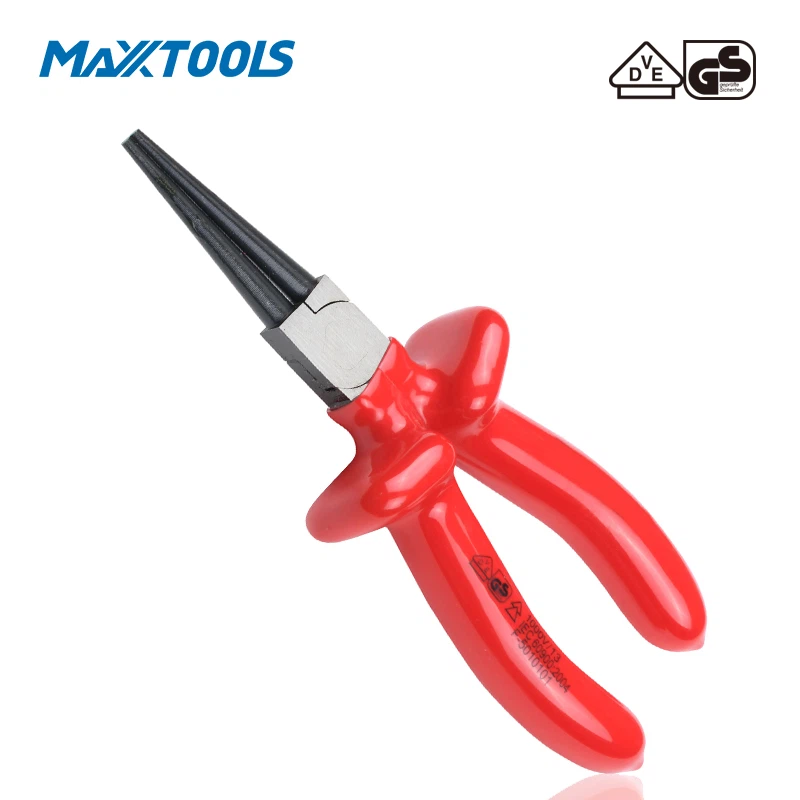
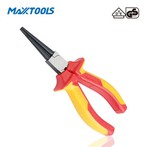
VDE Round Nose Pliers With Dipping Handle
Round-nosed pliers are pliers with rounded edges on the jaws. They don't have cutting edges and they are commonly used to make round splices or loops of wire. Typically, each jaw has a rounded profile when viewed from the front of the jaws. Rounded jaws can hold wire securely while making smooth curve.
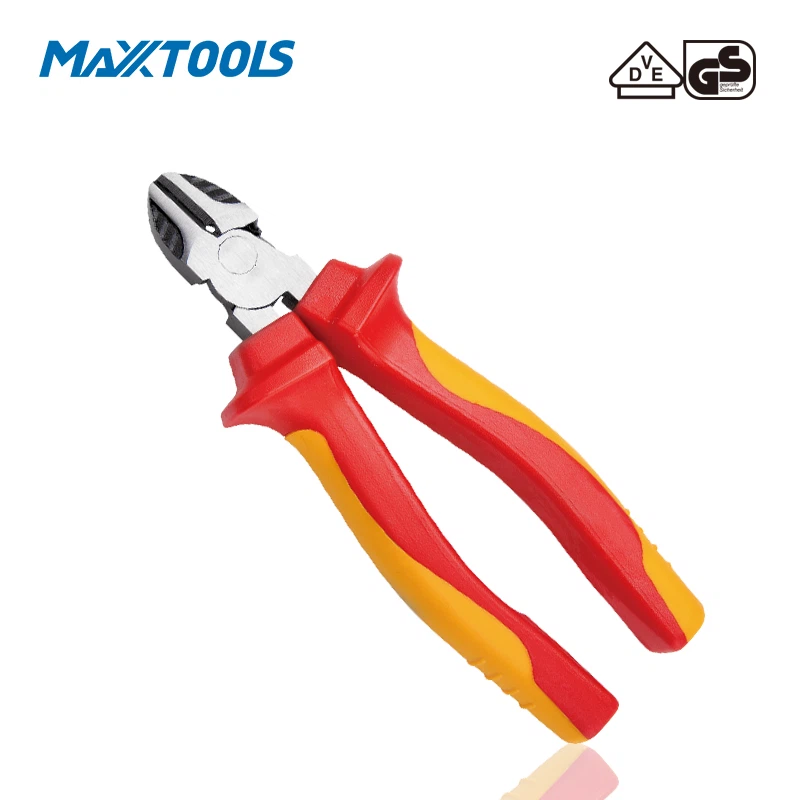
VDE High Leverage Diagonal Cutting Pliers
The jaw hardness of diagonal cutting pliers can reach 55HRC-62HRC, and the shearing force is strong. Materials can include 45# carbon steel, 55# carbon steel, chromium vanadium steel, etc. The handles include single-color plastic-coated handles, double-color plastic-coated handles, PVC or TPR sleeve handles, and the handles are available in a variety of colors.
Compliance with Safety Standards
VDE wire strippers are specifically designed and manufactured to meet the safety standards and regulations set by the VDE. These standards ensure that the wire strippers provide adequate insulation, robust construction, and reliable performance, giving users confidence in their safety and compliance.
Insulation Integrity
VDE wire strippers are built with insulation materials on the handles and cutting edges, which help maintain the integrity of the insulation on the wires being stripped. This reduces the likelihood of damaging the wire's insulation during the stripping process, ensuring the continued electrical safety of the wire.
Precision and Efficiency
VDE wire strippers are engineered to provide precise and efficient wire-stripping capabilities. They are designed with cutting edges that are precisely aligned, allowing for accurate and clean wire stripping without damaging the conductive wire underneath. This helps save time and effort during electrical installations or repairs.
Versatility
VDE wire strippers are versatile tools suitable for a wide range of wire-stripping applications. They can effectively strip various wire gauges and types, including solid, stranded, or multi-conductor wires commonly found in electrical and electronic systems.
Ergonomic Design
Many VDE wire strippers feature ergonomic designs with comfortable handles and user-friendly features. These designs reduce hand fatigue and provide a secure grip, allowing for extended use without discomfort. The ergonomic features also contribute to improved precision and control during wire stripping.
VDE Wire Stripper Types
Gauged VDE Wire Stripper
A gauged VDE wire stripper is the basic type, and you may often see your electrician carry this for your home wiring projects. This VDE wire stripper has various small notches or cutting blade slots, and each notch corresponds to different wire gauges. When using this type of VDE wire stripper, you should match the wire gauge to the right notch. In general, these gauged VDE wire strippers have precise notches for easy operation. Once you choose the correct notch, stripping the cable could be accessible, even if you have never stripped a cable. But you should also be careful to strip your cable because a too big or small notch will damage your wires.
Adjustable VDE Wire Stripper
This type of VDE wire stripper has a basic design and only features one notch, but it usually comes with an adjustable screw or jaw that allows you to adjust the tool to a specific wire gauge. It could be convenient for you if you work with cables with different gauges. But you should remember to adjust the tool or your cables will be damaged.
Self-adjusting VDE Wire Stripper
Self-adjusting VDE wire stripper is also named as an automatic VDE wire strippers. This tool is an improved version of the typical VDE wire stripper and is usually more expensive. It helps strip the cable quickly without your own effort. The tool can be automatically adjusted to the correct size and has a setting to control the length of your stripping.
How to Use a VDE Wire Stripper
Identify the gauge of the copper wire to be stripped. You can find this on the outermost sheathing that binds multiple wires together inside an NM cable (nonmetallic sheathed cable). With a number such as 12/2, for example, the first number is the wire gauge (in this case, 12). Also, note whether the wire is solid or stranded copper.
Match the wire gauge with the appropriately labeled hole on the wire stripper. This step is essential: If you choose a hole that is too big, the insulation will not be fully cut and you'll have a hard time stripping it; If you choose a hole that is too small, the wire may be nicked or even severed entirely.
Open the wire stripper handles. "Seat" the wire into one side of the proper hole. Slowly press the handles together until they can go no farther. This action will cut through the insulation on the wire.
If the wire insulation does not fully cut, you may have to gently rotate the wire within the hole (or the wire stripper around the wire, whichever is easier). You do not have to rotate far: Just a quarter turn in one direction and back.
Pull the wire stripper towards the cut end of the wire to remove the insulation. The action is like pulling a sock off a foot. Some users find it easiest to push against the tool using the thumb on the hand that is gripping the wire, while the other hand holds the handles of the tool firmly shut.
If you want to VDE wire strippers can be used for a long time, in addition to the use of stripping pliers in addition to standard operation, but also need to pay attention to the following matters.
Do not use light pliers as a hammer or tap the handles of the pliers. If abused in this way, the pliers will crack and break, and the edges of the pliers will be chipped off.
Lubricate the pliers often, adding some lubricant to the hinge can extend the service life and can ensure the use of labor-saving.
Do not extend the length of the handle to obtain greater shear force, but should use the larger specifications of the pliers or wire cutters.
Do not put the pliers in an overheated place, otherwise, it will cause annealing and damage the tool.


Pliers can not be used on nuts and bolts, using a wrench would be better, and not easily damaged fasteners.
Ordinary pliers can not cut piano wire unless specifically have this function.
The rubber sleeve on the handle is to increase the comfort of use; unless the handle is specifically insulated, these rubber sleeves are not electrically resistant and cannot be used for electrically charged work.
Use the correct angle for shearing, can not knock the plier handle and pliers head, or use the plier's blade to curl the wire.
Goggles should be worn when cutting wires to protect your eyes.
Do not use light pliers to crimp hard wires. If you crimp too thick wires with sharp pliers' heads, the pliers will break. A sturdy tool should be used.
Cleaning Your VDE Wire Strippers
Inspect the Tool
Before cleaning, inspect the tool for any signs of damage or wear. If you notice any issues, address them before proceeding with the cleaning process.
Remove Residue
Use a soft brush or cloth to gently remove any dirt, dust, or residue from the tool's blades, handles, and cutting mechanisms. Avoid using abrasive materials that could scratch or damage the tool's surfaces.
Use a Cleaning Solution
For stubborn residue or grease, you can use a mild cleaning solution or degreaser. Apply the solution to a cloth and carefully clean the affected areas. Ensure that the tool is completely dry before using it again.
Choosing the Right VDE Wire Stripper
Consider Your Usage Needs
First, determine the specific tasks and projects you will be using the VDE wire stripper for. Consider factors such as the wire gauge range you will be working with, the volume of wires you will be stripping, and the level of precision required. This will help you narrow down the options and choose a tool that meets your specific usage needs.
Budget and Quality
Set a budget for your VDE wire stripper purchase, but also prioritize quality. While it can be tempting to opt for cheaper options, investing in a high-quality tool will save you money in the long run. Look for tools made from durable materials and with solid construction to ensure longevity and reliable performance.
Brand and Customer Reviews
Research reputable brands known for manufacturing reliable and high-quality VDE wire strippers. Check customer reviews and ratings to get insights into the experiences of other users. Pay attention to feedback regarding durability, ease of use, and accuracy of the stripping process.
Ergonomics and Comfort
Consider the ergonomics and comfort features of the VDE wire stripper. Look for tools with comfortable handles and a design that allows for easy grip and control. Ergonomic features such as cushioned grips or anti-slip materials can reduce strain and fatigue during prolonged use.
Stripping Capability and Versatility
Ensure that the VDE wire stripper you choose can handle the wire gauge range you typically work with. Check for adjustable settings or interchangeable blades to accommodate different wire sizes. Additionally, consider if the tool offers additional features or attachments that can expand its versatility, such as the ability to crimp or cut wires.
Safety Features
Pay attention to the safety features offered by the VDE wire stripper. Look for tools that have insulation barriers to prevent accidental contact with live conductors, as well as features that minimize the risk of cuts or injuries during the stripping process. Safety features like spring-loaded handles or locking mechanisms can enhance user safety.
Warranty and Customer Support
Check if the VDE wire stripper comes with a warranty. A reliable warranty shows the manufacturer's confidence in their product's quality. Additionally, consider the availability of customer support, as it can be helpful in case you encounter any issues or have questions about the tool.
Try Before You Buy
If possible, try out the VDE wire stripper before making a purchase. Visit a local hardware store or attend trade shows where you can test different models and get a feel for their performance, comfort, and functionality. This hands-on experience can help you make a more informed decision.
5 Common Mistakes When Using a VDE Wire Stripper
Using the Wrong Gauge to Strip Wires
Most businesses recognize that VDE wire strippers come in different sizes. However, they may not realize the danger of using the wrong VDE wire stripper instead of purchasing a new one. If you're not careful, you can end up using the wrong size, making your stripping job much more complicated than it needs to be. Let's say your goal is to strip some 24 gauge wire with a 20 gauge VDE wire stripper. The result? You'll end up with a frayed and jagged wire that's impossible to work with.
Working With a Damaged VDE wire stripper
Your VDE wire stripper experiences wear and tear just like your other tools. So as you use it, it's bound to get damaged. This can leave wires with inadequate cover, requiring wire cutters to get back on track. You can avoid that extra step with regular VDE wire stripper maintenance. Trust us when we say it's worth the time and effort. You wouldn't want the stripper slipping out of someone's hands, so remember to check your tool's handle. It should be secure, not wobbly, so your grip remains steady as you work.
Using a Blunt VDE Wire Stripper
If you want to take ten times as long as is necessary to complete a project, use an old VDE wire stripper. Worn blades don't cut through wire cleanly, making it more difficult for you to strip off the insulation.
To avoid this, use a scrap piece of wire to test the blades' cutting ability. If in doubt, buy a new one! The easy stripper is an excellent alternative if you haven't decided which heavy-duty model to invest in.
Picking the Wrong Length
As a rule of thumb, you're supposed to strip your wire at least 1/4 inches from the end.
If you strip it too close, the wire will break when you try to take off the insulation. It's also important not to leave too much extra length, as this can cause cabling problems.
Cutting Too Deep
If you cut too deeply, the blade will slice through the insulation around the wire and expose the copper. This creates sharp edges on your wire that can damage other cables when they rub against each other during installation.
5 Safety Tips to Follow When Stripping Wires with VDE Wire Strippers
Disconnect
Never attempt to strip a live wire. If the wire is connected to a device or power source, don't attempt to strip it. Instead, disconnect the wire by removing it from the device or power source. Stripping a live wire is a safety hazard. If electricity is flowing through it, you may experience a shock as you cut and remove the insulation.
Use VDE Wire Strippers
You should use VDE wire strippers. VDE wire strippers are cutting tools that are designed specifically to strip wire. Some workers use knives to strip wire, whereas others use box cutters. The problem with these alternative tools is that they aren't particularly effective, nor are they safe. VDE wire strippers feature a blade that only drops down far enough to remove the insulation without cutting through the conductor.
Keep Fingers Away From the Blade
Keep your fingers away from the VDE wire strippers' blade. All VDE wire strippers have a blade -- similar to a pair of scissors. You can position the VDE wire strippers over the wire, and upon squeezing the handle, the blade will close. Pulling the VDE wire strippers back with the blade closed will remove the insulation from the wire. The risk of injury is low when using VDE wire strippers, but you should still keep your fingers away from the blade.
Don't Cut Through the Conductor
Don't make the mistake of accidentally cutting through the conductor when stripping wire. The goal of stripping wire, of course, is to remove the insulation. The insulation is the outer covering, whereas the conductor is the interior. If you cut too deep, you may end up cutting through the conductor as well. And after being damaged, the wire could be a fire hazard. You can avoid cutting through the conductor by using VDE wire strippers in the right size.
Don't Remove Too Much Insulation
Another common mistake to avoid is removing too much insulation. Most workers strip wire so that they can connect them to other pieces of wire. Therefore, you only need to remove insulation from the ends of the two wires. Removing too much insulation will leave the conductors exposed. And as electricity travels through the exposed conductors, it may create a fire hazard.
Our Factory
Maxxtools Co.,Ltd was established in 2005 and concentrates on hand tools and labor supplies. It provides over 1000 different kinds of products to worldwide professionals who demand superior performance and durability on the job.In over 15 years history of supplying high quality product for our client, Maxxtools has gradually become the most reliable supplier of many famous tools importers, whosalers and retailers.

Ultimate FAQ Guide to VDE Wire Stripper
Hot Tags: vde wire stripper, China vde wire stripper manufacturers, suppliers, factory, insulated screwdriver wrench, electrical safety requirements, compliance consultancy service for electricals, ergonomic insulated screwdrivers, , international safety regulations for electricals
You Might Also Like